
Signs Your Commercial Property Needs Flea And Tick Treatment
Noticing signs your commercial property has fleas or ticks can indicate the need for professional treatment, which local service providers can efficiently handle to protect your space.
Property owners in the area should stay alert to signs that their commercial space may be affected by fleas and ticks. Unexplained pet or wildlife activity, such as frequent sightings of fleas on animals or increased insect presence around the property, can indicate a developing problem. Additionally, if tenants or employees notice bites or skin irritations, it could point to an infestation that requires professional attention. Recognizing these early warning signs can help prevent the situation from worsening and protect the comfort and safety of everyone on the premises.
When these signs appear, connecting with experienced local contractors who specialize in flea and tick treatments can be an effective step. These professionals understand the unique challenges of commercial properties and can tailor solutions to address the specific conditions of the site. Ensuring that treatment is handled promptly and thoroughly can help maintain a pest-free environment, supporting the ongoing health and safety of the property’s occupants. Keep reading to learn more about how local service providers can assist in managing flea and tick concerns effectively.
- Commercial property inspection - When signs of flea and tick activity are noticed, local contractors can perform thorough inspections to identify infestations.
- Pest treatment services - If fleas and ticks are present, local service providers can apply targeted treatments to eliminate pests and prevent future issues.
- Infestation prevention consultations - Signs of recurring flea and tick problems often lead to consultations where pros recommend ongoing prevention strategies.
- Environmental treatment solutions - In areas with high pest activity, local contractors can implement environmental treatments to reduce habitat suitability for fleas and ticks.
- Property maintenance and cleanup - When debris or overgrown vegetation harbor pests, local pros can assist with cleanup to reduce pest hiding spots and improve property health.
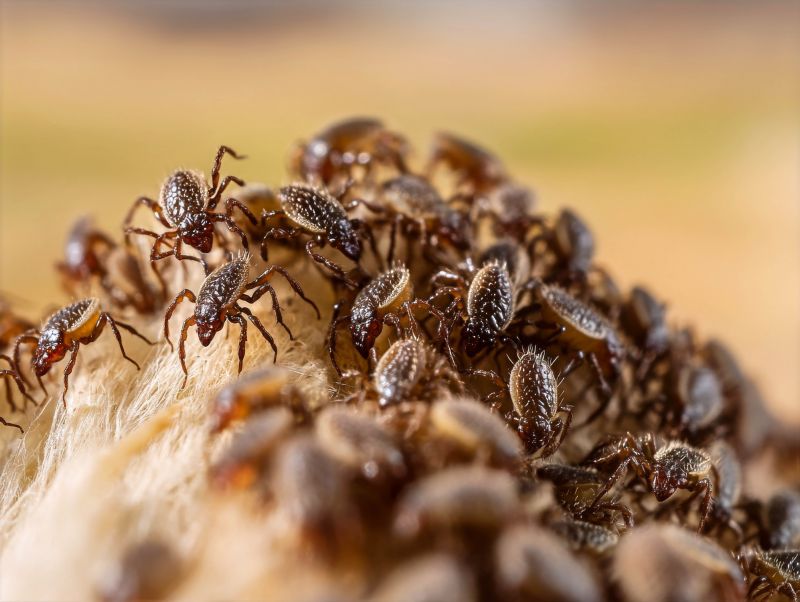

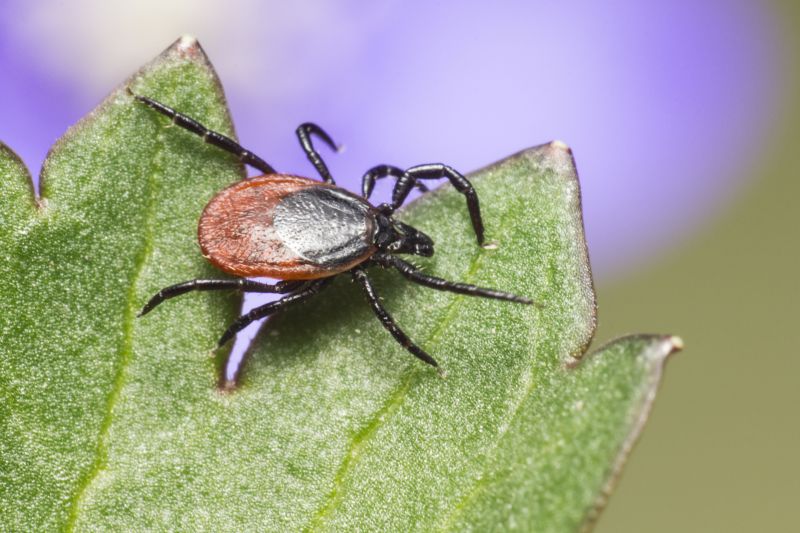
Understanding the signs that your commercial property may need flea and tick treatment is essential for maintaining a safe and comfortable environment for employees, customers, and visitors. Fleas and ticks are common pests that can quickly become a problem if they establish themselves on the premises. Property owners often search for this topic when they notice unusual activity or signs of infestation, such as an increase in itchy bites among staff or visitors, or the presence of fleas and ticks on pets or outdoor furniture. Recognizing these early warning signs can help prevent larger infestations, which may lead to health concerns or damage to the property’s reputation. Local service providers with experience in pest management can assess the situation and recommend appropriate treatment options to address these issues effectively.
The problems related to fleas and ticks on commercial properties extend beyond mere discomfort. These pests can pose health risks by transmitting diseases to humans and animals, making prompt treatment essential. Fleas are known to cause allergic reactions and dermatitis, while ticks can carry illnesses such as Lyme disease or Rocky Mountain spotted fever. Businesses like outdoor event venues, office parks, or retail centers often need to be vigilant because high foot traffic and outdoor spaces create opportunities for pests to spread. When property owners notice signs like flea or tick activity, it often indicates that the pests have established a foothold, requiring professional intervention. Service providers specializing in flea and tick treatment can help develop targeted plans to eliminate these pests and prevent future problems.
Certain types of commercial properties are more susceptible to flea and tick issues due to their use, location, or outdoor features. Properties with extensive landscaping, outdoor seating areas, or pet-friendly zones tend to be more vulnerable. For example, restaurants with patios, hotels with gardens, or community parks often see higher pest activity during warmer months when fleas and ticks are most active. These environments provide ideal conditions for pests to thrive, especially if there are unmanaged leaf litter, tall grass, or wildlife nearby. Recognizing the signs that these pests are present-such as pet bites, flea dirt, or tick sightings-can prompt property owners to seek professional treatment. Local contractors experienced in pest control can tailor treatments to the specific needs of these properties, helping to keep pests at bay and maintain a pest-free environment.
For property owners concerned about flea and tick infestations, understanding the connection between property features and pest activity is key to effective management. When signs of fleas or ticks appear, it indicates that the pests have found suitable conditions to survive and reproduce. This can be particularly problematic in properties that have not been regularly maintained or where outdoor spaces are used frequently. Regular inspections and proactive treatment by local pest control professionals can help mitigate these risks before they escalate. These experts can assess the property’s unique conditions, recommend appropriate treatment methods, and implement solutions that align with the property’s use and layout. Addressing flea and tick issues promptly ensures a healthier, safer environment for everyone who uses the space.
Pest control treatments for commercial properties - professionals specializing in pest management often handle flea and tick treatments, requiring similar planning and application techniques.
Outdoor pest prevention projects - landscape and property maintenance services that focus on reducing pest habitats can complement flea and tick treatment efforts.
Rodent and wildlife exclusion services - these projects involve identifying entry points and implementing barriers, skills useful for controlling fleas and ticks in outdoor areas.
Insect barrier installation - setting up physical or chemical barriers around commercial properties shares planning and application skills with flea and tick prevention.
Sanitation and debris removal projects - cleaning up yard debris and clutter helps reduce pest harborage, supporting flea and tick control strategies.
Landscape management and landscaping repair - maintaining and modifying outdoor spaces can limit pest habitats, aligning with flea and tick treatment preparation efforts.
When comparing service providers for flea and tick treatment on a commercial property, it’s important to evaluate their experience with similar projects. Homeowners should seek out contractors who have a proven track record of handling properties comparable in size, type, and usage. An experienced professional will understand the unique challenges that commercial spaces may present, such as high foot traffic or specific pest control concerns, ensuring that the treatment plan is effective and tailored to the property’s needs. Asking for details about their previous work can help determine if a contractor has the relevant expertise to address signs your commercial property needs flea and tick treatment efficiently.
Clear written expectations are essential when choosing a service provider. This includes understanding what the treatment process involves, the scope of work, and any necessary preparations or follow-up steps. Service providers who can provide detailed, written descriptions of their approach help ensure that homeowners know what to expect and can compare proposals more effectively. Transparent communication about the services offered, the methods used, and any potential limitations helps establish trust and minimizes misunderstandings, making it easier to select a contractor who aligns with the property’s specific requirements.
Reputable references and strong communication skills are key indicators of a reliable service provider. Homeowners should seek out contractors who can provide references from previous clients with similar properties, offering insights into their professionalism and quality of work. Good communication throughout the process ensures that questions are answered promptly and concerns are addressed, which is especially important when dealing with pest issues that can impact a commercial space’s operation. Choosing a contractor known for clear, responsive communication and positive references can lead to a smoother experience and more effective treatment outcomes for signs your commercial property needs flea and tick treatment.
Property owners often search for signs your commercial property needs flea and tick treatment when they are planning practical projects around their homes and businesses. Local pros provide Flea And Tick Treatment services for everyday jobs and straightforward project options.
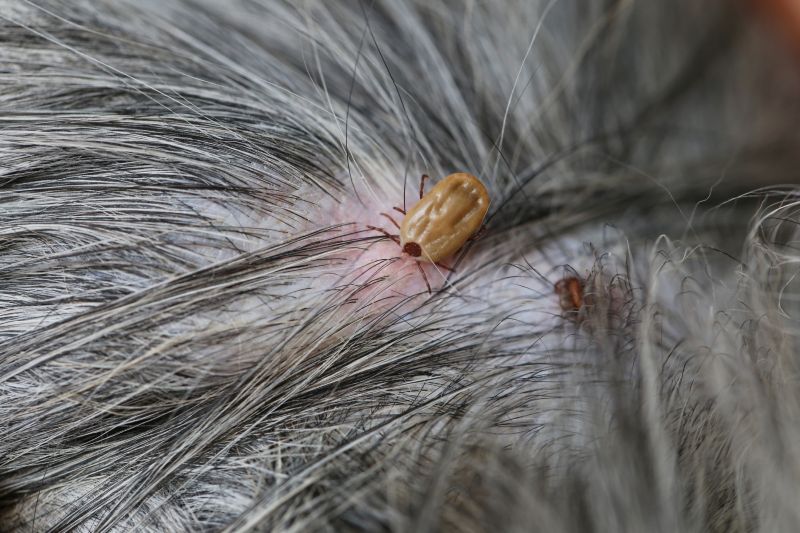

Property owners in the area might start noticing signs of flea and tick activity after outdoor events or seasonal changes, especially if the property has grassy or wooded areas. Common indicators include an increase in pests around entrances, on employees or visitors, or visible fleas and ticks on pets or wildlife frequenting the property. These signs can be particularly concerning for commercial spaces like outdoor dining areas or recreational facilities, prompting owners to seek the expertise of local contractors who specialize in pest treatments to keep their premises safe and pest-free.
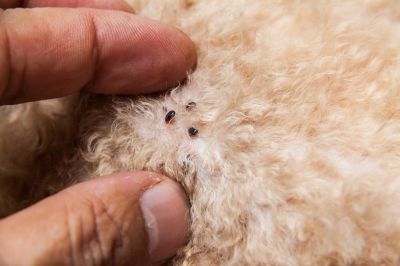
Additionally, if there are reports of bites or scratching among staff or visitors, it could signal an infestation that needs prompt attention. Flea and tick presence may also be detected through the appearance of small black specks or eggs in common areas, or if animals or pests are seen crawling in and around the property. When these signs are observed, property owners often turn to local service providers who can assess the situation and apply effective flea and tick treatments, helping to prevent further issues and maintain a comfortable environment for everyone on the premises.
What are common signs indicating my commercial property may need flea and tick treatment? Signs include an increase in fleas or ticks around the property, visible pests on animals or in the environment, and frequent scratching or biting among animals or staff. Local service providers can assess the property for pest activity and recommend appropriate treatments.
How can I tell if fleas or ticks are present on my commercial property? Detection methods involve observing pests on animals, noticing flea dirt or ticks in carpeting, upholstery, or outdoor areas, and monitoring for bites or skin irritations among staff or pets. Experienced contractors can identify pest presence and determine if treatment is necessary.
Are there specific areas on my commercial property where fleas and ticks tend to gather? Fleas and ticks often gather in shaded, moist, or grassy outdoor areas, around animal resting spots, or in cluttered indoor spaces. Local pros can inspect these areas and advise on targeted treatment approaches.
What behavioral changes in animals or staff might indicate a flea and tick problem? Increased scratching, biting, or grooming in animals, along with visible pests or bites on staff, can signal an infestation. Service providers can evaluate the property to confirm if flea and tick treatment is needed.
When should I consider scheduling flea and tick treatment for my commercial property? Treatment should be considered when signs of pests are observed, especially if there are frequent pest sightings or bites. Consulting with local contractors can help determine the best time for treatment to prevent further issues.
Unusual animal activity - Noticing frequent sightings of fleas or ticks around the property can indicate a need for treatment, encouraging property owners to seek out local contractors for inspection and solutions.
Infested outdoor areas - Overgrown grass, leaf piles, or shaded spots may harbor pests, prompting property owners to consider professional treatment services to address these nesting sites.
Persistent itching or bites - If tenants or employees experience ongoing bites or skin irritation, it may signal a flea or tick problem that local contractors can help eliminate.
Signs of pest presence on animals - Seeing fleas or ticks on pets or wildlife around the property can be a practical reason to consult local service providers for effective treatment options.
If you are thinking about signs your commercial property needs flea and tick treatment for a property, this guide is meant to help you understand this topic, the typical project types, and how different options might fit your plans.
When you are ready, you can use the quote form on this page to share a few details about your project. From there, local pros can review the basics and follow up with options that match what you have in mind.